Beyond Group Work: Designing Meaningful Student Collaboration
- Certificate of completion
- 60 minutes, self-paced
- Access on mobile or laptop
- 1,000+ more courses included
Make math click using visual manipulatives and hands-on tools. Help students see and understand abstract mathematical concepts clearly.
Description
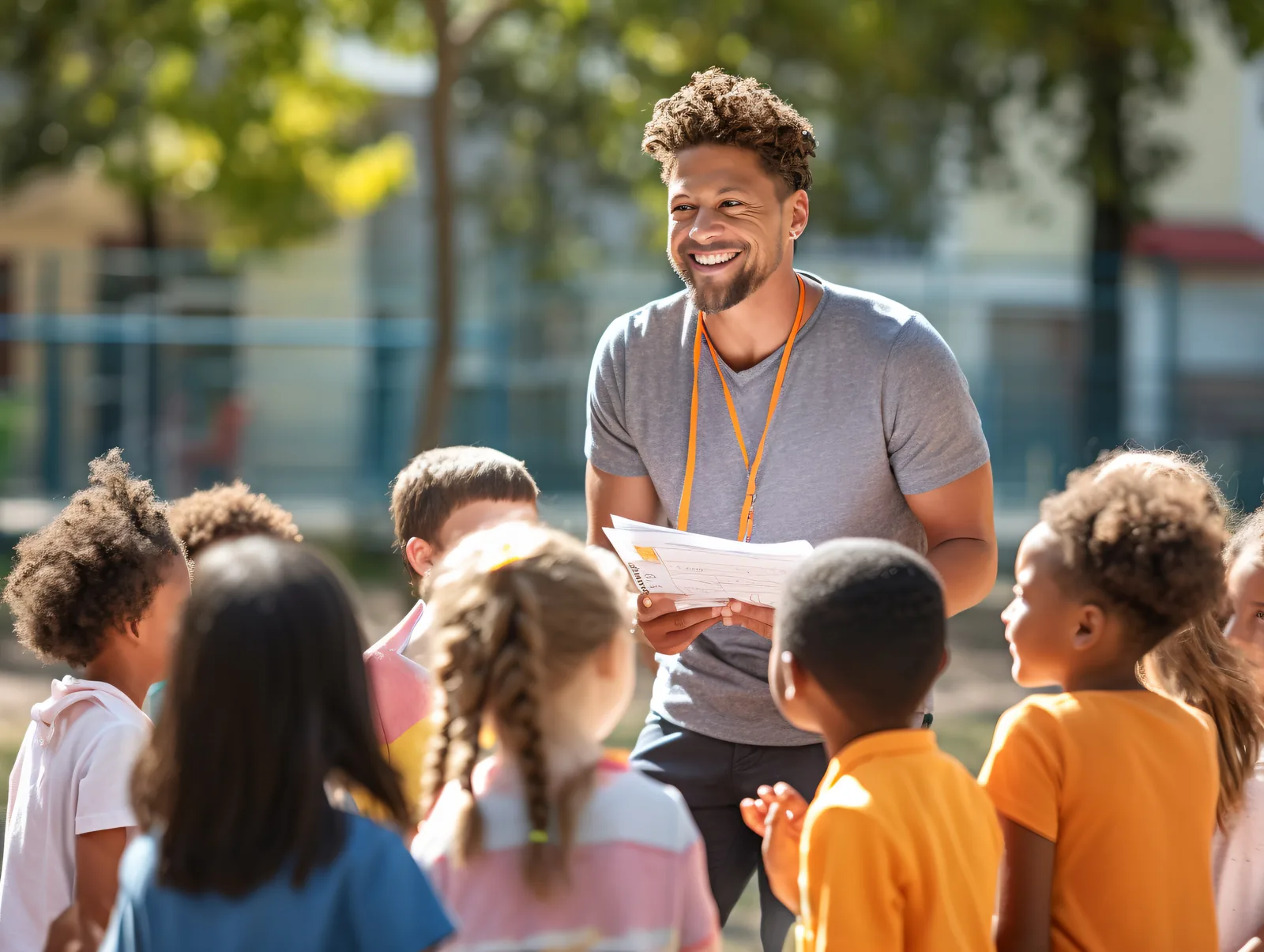
Have you ever assigned group work only to watch one student do all the work while others check out? What does real collaboration actually look like—and how do we teach students to do it well? Research shows that collaboration is a learned skill, not an automatic outcome of placing students in groups. Without explicit instruction, clear roles, and intentional structures, group work often leads to frustration rather than meaningful learning. Join Lauren Boucher as she explores how collaboration develops over time and what it looks like across grade levels. This workshop breaks down the difference between working together and learning together, highlighting structures that promote shared responsibility, equitable participation, and collective problem-solving. Educators will explore practical collaboration protocols, role structures, and tech-supported workflows that move students beyond "divide and complete" tasks. You'll leave with ready-to-use strategies and digital integration ideas to make collaboration intentional, productive, and impactful in any classroom.
Objectives
- Recall the defining characteristics of effective student collaboration.
- Explain how collaboration skills develop across grade levels.
- Implement collaboration structures and role systems within instructional tasks.
- Examine group tasks to determine whether they promote true collaboration or simple task division.
- Assess the effectiveness of collaborative activities and make adjustments to improve student outcomes.
- Design collaborative learning experiences that foster shared responsibility and collective thinking.
Key Take Aways
- Identify the essential elements that distinguish collaboration from traditional group work.
- Explore task structures and roles that promote equitable participation and accountability.
- Learn collaboration routines and strategies that support meaningful interaction and problem-solving.
- Discover digital tools and workflows that enhance collaboration without adding complexity.
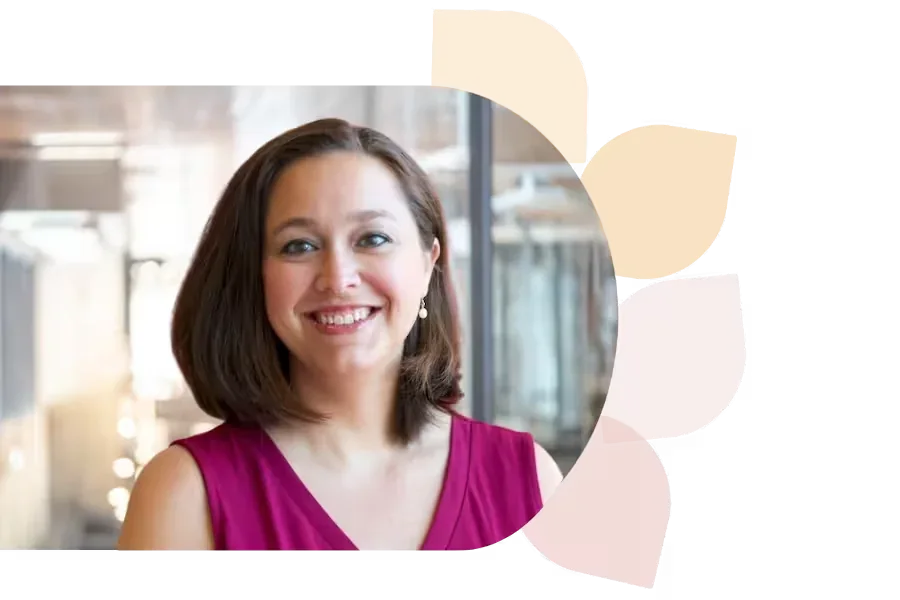
Lauren Boucher
Lauren Boucher has 18+ years in public education, teaching 3rd grade, gifted K-8, and working as a Digital Teaching and Learning Coach. Now a Southeast Regional Consultant for the NC Department of Public Instruction, she shares innovative ed tech practices nationwide.
Specializes In: Digital Teaching & Learning Consultant



Ready to grow?
Unlock new strategies and skills—wherever you are in your teaching journey.
Get started free