
Understanding Behavior in Autism: Communication, Sensory Needs, and Supportive Practices
- Certificate of completion
- 60 minutes, self-paced
- Access on mobile or laptop
- 1,000+ more courses included
Gain a deeper understanding of autism by exploring the connections between behavior, communication, and sensory needs while implementing supportive practices that help students thrive.

Description
Behavior is a form of communication, and understanding the underlying reasons behind student behavior is essential for creating supportive learning environments. Looking for strategies to better understand and respond to behaviors exhibited by students with autism? In this course, Dr. Danielle Abbott helps educators examine behavior through the lenses of communication, sensory processing, and self-regulation. Participants will explore proactive approaches, including Positive Behavioral Interventions and Supports (PBIS), Functional Behavior Assessments (FBA), and neurodiversity-affirming practices that support student success. By the end of this course, educators will walk away with practical frameworks and strategies for interpreting behavior, reducing barriers to learning, and creating responsive classroom environments.
This is course three of six in the seriestitled "Supporting Students with Autism: Building Independence, Engagement and Success."
Objectives
- Identify common behavioral, sensory, and communication characteristics associated with autism.
- Explain how sensory and regulatory needs influence student behavior.
- Implement proactive behavior support strategies within classroom settings.
- Examine behavior patterns to identify potential communication, sensory, or environmental factors.
- Assess the effectiveness of behavior support strategies and interventions.
- Develop a responsive support plan that addresses communication and behavioral needs.
Key Take Aways
- Understand behavior as a form of communication.
- Explore how sensory and regulatory needs influence student behavior.
- Learn how to apply proactive frameworks such as PBIS and FBA.
- Discover strategies for creating supportive and neurodiversity-affirming learning environments.
Course Details
While we recommend that you complete all courses in the series to meet the learning objectives, each course can be taken as a standalone. Full members will also have access to view the recordings on demand and earn up to six continuing education credits.
Special Technology Instructions
Participants will need access to an internet-enabled device and a personal Google account that is not affiliated with their school. SimpleK12’s Google Classroom will be used for the interactive and hands-on components of this course.
Assessment
Participants will complete an ABC Chart or mini Functional Behavior Assessment (FBA) based on a student scenario to demonstrate their understanding of the course objectives and reflect on their learning.
Course Content
- Exam: Understanding Behavior in Autism: Communication, Sensory Needs, and Supportive Practices
- Understanding Behavior in Autism: Communication, Sensory Needs, and Supportive Practices
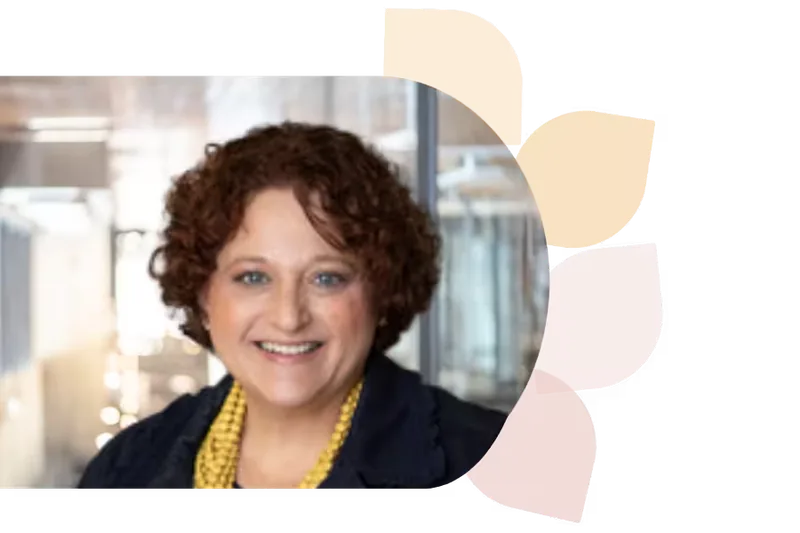
Danielle Abbott
Dr. Danielle Abbott currently serves as the Special Populations Coordinator at Langtree Charter Academy in Mooresville, North Carolina. She has over 30 years of experience working with children in a variety of educational and support settings, including nearly 20 years advocating for abused and neglected youth. Dr. Abbott holds graduate certificates in Autism Spectrum Disorders and Special Education, two master’s degrees in Special Education and School Administration, and a doctorate in Curriculum and Instruction with a cognate in Special Education. She is passionate about supporting educators and students with evidence-based strategies to improve learning and outcomes.
Specializes In: Special Populations Coordinator



Ready to grow?
Unlock new strategies and skills—wherever you are in your teaching journey.
Get started free