Special Education Pathway for General Education Teachers
This guided microcredential brings together essential SPED concepts, from understanding laws and IEPs to implementing practical accommodations and interventions, so educators can create inclusive learning environments where every student can thrive.
- Built for General Ed Teachers Foundations for all classrooms
- 15 Hours Self-paced, practical training
- 10 Courses Foundational skills for all teachers
- Certificate Included Up to 15 CE credits
- Learn Anywhere Access courses on any device
- 10 courses, 15 hours, self-paced
- Taught by Melissa Mann
- Certificate included, up to 15 CE credits
- Access courses on any device
- 1,000+ more courses included
Why Structured SPED Learning Matters
The SPED Microcredential provides a focused, step‑by‑step learning experience that helps teachers build clarity, confidence, and competence in special education. By combining foundational knowledge with real‑world classroom strategies, this microcredential empowers educators to move beyond compliance and toward meaningful, student‑centered support.
Description
This ten-part learning experience is designed to equip general education teachers with the knowledge, strategies, and confidence needed to effectively support students with exceptionalities. Participants will explore the foundations of special education, including key terminology, legal protections, inclusive practices, accommodations, modifications, intervention strategies, and collaborative approaches that support student success. Through real-world examples and evidence-based practices, educators will learn how to create learning environments that promote access, belonging, and meaningful participation for all students.
By the end of this microcredential, participants will understand the foundations of special education, apply practical strategies across instructional settings, collaborate more effectively with families and colleagues, and advocate for the rights and success of students with diverse learning needs. Educators will gain actionable tools they can implement immediately to support academic growth, engagement, independence, and inclusion.
This microcredential is ideal for classroom teachers, instructional coaches, interventionists, aspiring educators, and school leaders who want to strengthen their understanding of special education while building effective practices for supporting diverse learners. Participants will develop the skills needed to create inclusive classrooms, foster productive partnerships, and confidently navigate the intersection of general and special education.
Learning Objectives
- Identify key terms, acronyms, and legal foundations (e.g., IDEA, ADA, 504, IEP, FAPE, LRE) that govern special education services in the U.S.
- Explain the differences between accommodations, modifications, and interventions, and why they matter for inclusive classroom practice.
- Implement evidence-based strategies (e.g., flexible seating, scaffolds, intervention supports for dyslexia and ASD) to meet diverse student needs in real classroom contexts.
- Interpret student behaviors and learning challenges through real-world case studies, determining underlying causes and selecting appropriate supports.
- Assess the effectiveness of collaborative practices with parents, colleagues, and IEP teams to ensure alignment and improved student outcomes.
- Design proactive, student-centered approaches to IEP meetings, classroom collaboration, and instructional planning that integrate special education best practices with general education standards.
Special Technology Instructions
Attendees will need access to an internet-enabled device and a personal Google account (not affiliated with their school). SimpleK12’s Google Classroom will be utilized for the interactive and hands-on components of this session.
Assessment
Participants will complete a video module AND an online exam for each course to demonstrate their understanding of the microcredential objectives and reflect on their learning.
Courses in this Microcredential
-
1
Introduction to SPED – Terms, Tools & Foundations
Read more info
What’s the difference between accommodations and modifications? Why does understanding SPED terminology matter for all teachers—not just special educators? This introductory session lays the foundation for meaningful work with students receiving special education services. Join veteran educator Melissa Mann as she demystifies essential SPED vocabulary, acronyms (like IEP, 504, LRE, and FAPE), and key concepts that every classroom teacher needs. Gain an understanding of the laws that govern special education and learn how modern classrooms require every educator to be part of a collaborative support team for diverse learners.
Key Takeaways
- Understand must-know special education terms, acronyms, and legal foundations.
- Recognize the differences between accommodations, modifications, and interventions.
- Explain why LRE and FAPE are critical in serving students with exceptionalities.
- Build a baseline knowledge to support students in inclusive classroom settings.
Presented by Melissa Mann
Melissa Mann serves as a dedicated special education educator within the Madison County School System. Her teaching experience spans across a wide range of student settings, from self-contained classrooms to collaborative environments, covering grades kindergarten through sixth. Melissa's qualifications include dual certifications in both elementary education and special education, and she holds a master's degree in school counseling, further enhancing her skill set as a certified school counselor. Melissa’s impact also extends beyond the classroom where she shares her expertise at numerous in-person and virtual conferences, including the Alabama Educational Technology Conference.
-
2
Legal Foundations in SPED – Navigating IDEA, ADA & 504s
Read more info
What laws protect students receiving special education services? How do you know when a child needs an IEP or a 504 Plan? In this practical session, Melissa Mann breaks down the most important Special Education laws — IDEA, ADA, and ESSA — and explains how they shape your everyday work in the classroom. You’ll learn how these laws safeguard students’ right to a Free and Appropriate Public Education (FAPE), ensure access to the Least Restrictive Environment (LRE), and provide critical protections for parents and families. Melissa will also walk you through the key differences between IEP and 504 eligibility, offering real-world examples to help you recognize when a student may qualify for additional support. By the end, you’ll have a clearer understanding of how to stay compliant, partner effectively with families, and confidently advocate for the needs of every learner.
Key Takeaways
- Understand major federal laws that govern special education eligibility and services.
- Differentiate between IDEA (IEPs) and ADA/504 Plans and when each applies.
- Recognize FAPE, LRE, and child find responsibilities within the school system.
- Gain confidence in collaborating with teams during the referral and plan process.
Presented by Melissa Mann
Melissa Mann serves as a dedicated special education educator within the Madison County School System. Her teaching experience spans across a wide range of student settings, from self-contained classrooms to collaborative environments, covering grades kindergarten through sixth. Melissa's qualifications include dual certifications in both elementary education and special education, and she holds a master's degree in school counseling, further enhancing her skill set as a certified school counselor. Melissa’s impact also extends beyond the classroom where she shares her expertise at numerous in-person and virtual conferences, including the Alabama Educational Technology Conference.
-
3
Classroom Accommodations for SPED — Strategies That Work
Read more info
Extended time, fidgets, flexible seating, visual supports—what accommodations truly make a difference for students with special needs? How can teachers balance providing support without lowering expectations? In this engaging webinar, Melissa Mann connects the legal foundations of special education with practical, classroom-friendly accommodations that can transform learning for students with academic, executive functioning, sensory, and behavioral needs. You’ll explore strategies that are simple to implement yet powerful in impact, from text-to-speech technology to flexible seating, timers, and visual organizers. Melissa will also share insights on how to provide scaffolds that promote independence and maintain grade-level rigor—while making daily instruction more manageable for busy teachers.
Key Takeaways
- Understand common classroom accommodations across academic, sensory, and behavioral domains.
- Implement practical tools such as text-to-speech, flexible seating, timers, and graphic organizers.
- Promote student independence while keeping instruction rigorous and grade-level appropriate.
- Build a proactive toolbox of strategies that support learning and minimize reactive discipline.
Presented by Melissa Mann
Melissa Mann serves as a dedicated special education educator within the Madison County School System. Her teaching experience spans across a wide range of student settings, from self-contained classrooms to collaborative environments, covering grades kindergarten through sixth. Melissa's qualifications include dual certifications in both elementary education and special education, and she holds a master's degree in school counseling, further enhancing her skill set as a certified school counselor. Melissa’s impact also extends beyond the classroom where she shares her expertise at numerous in-person and virtual conferences, including the Alabama Educational Technology Conference.
-
4
Building Positive Relationships with SPED Parents & Teams
Read more info
How do you build strong bridges between teachers, parents, and colleagues when supporting diverse learners? What steps can you take to turn potential conflict into collaboration?
In this insightful webinar, Melissa Mann highlights one of the most crucial elements of special education success—relationships. You’ll explore strategies for effective, ongoing communication with parents, learn how to collaborate with co-teachers and specialists, and discover ways to cultivate inclusive, positive classroom environments. Melissa will also share approaches for handling tough conversations, aligning goals across the IEP team, and engaging families as true partners in the learning process. With intentional relationship-building, you’ll reduce misunderstandings, foster trust, and create a stronger support network that sets students up for long-term academic and social success.
Key Takeaways
- Understand why strong relationships directly improve outcomes for students with special needs.
- Implement parent communication strategies that build trust, transparency, and teamwork.
- Strengthen collaboration with general education teachers, paraprofessionals, and specialists.
- Foster classroom cultures that support inclusion, belonging, and positive peer relationships.
Presented by Melissa Mann
Melissa Mann serves as a dedicated special education educator within the Madison County School System. Her teaching experience spans across a wide range of student settings, from self-contained classrooms to collaborative environments, covering grades kindergarten through sixth. Melissa's qualifications include dual certifications in both elementary education and special education, and she holds a master's degree in school counseling, further enhancing her skill set as a certified school counselor. Melissa’s impact also extends beyond the classroom where she shares her expertise at numerous in-person and virtual conferences, including the Alabama Educational Technology Conference.
-
5
Real-World Scenarios & Problem Solving in SPED
Read more info
When a student refuses to write, do you offer a break or highlight just a few problems first? What happens when a fidget, redirection, or even preferential seating no longer work? In this session, Melissa Mann takes a practical, hands-on approach to problem-solving in the SPED classroom. Using authentic case studies, you’ll explore real-world challenges connected to attention, executive functioning, sensory regulation, social skills, and written expression. Together, we’ll walk step by step through common classroom scenarios to uncover the root causes behind student behaviors, align supports to specific needs, and practice selecting accommodations and interventions that actually work. This session is designed to bridge knowledge with application—helping you gain confidence in responding to student needs in the moment. You’ll leave with practical strategies, decision-making tools, and a problem-solving mindset that you can use immediately when challenges arise in your own classroom.
Key Takeaways
- Understand how to interpret student behaviors by uncovering underlying causes rather than just surface actions.
- Implement practical, real-time solutions that connect directly to academic, sensory, executive function, and behavioral supports.
- Promote student growth by prioritizing proactive strategies instead of relying on reactive discipline.
- Build confidence applying SPED tools and frameworks to real-world classroom challenges.
Presented by Melissa Mann
Melissa Mann serves as a dedicated special education educator within the Madison County School System. Her teaching experience spans across a wide range of student settings, from self-contained classrooms to collaborative environments, covering grades kindergarten through sixth. Melissa's qualifications include dual certifications in both elementary education and special education, and she holds a master's degree in school counseling, further enhancing her skill set as a certified school counselor. Melissa’s impact also extends beyond the classroom where she shares her expertise at numerous in-person and virtual conferences, including the Alabama Educational Technology Conference.
-
6
Understanding Dyslexia: Early Signs and Strategies for Classroom Success
Read more info
Have you ever encountered a student who struggles with reading and spelling despite showing strong thinking skills in other areas? Are you confident in identifying the signs of dyslexia and supporting students who face these challenges? Dyslexia is a common learning difference that affects how individuals process language, impacting reading, writing, and spelling abilities. It is not a reflection of intelligence but a unique way of learning that requires tailored strategies. Join Melissa Mann for this timesaving, to the point session as she lays the groundwork for understanding dyslexia and how it presents in the classroom. You will gain insights into early warning signs, practical strategies for supporting students, and ways to create an inclusive learning environment that fosters success for all learners. Prepare to transform your understanding of dyslexia and empower every student to succeed! Melissa’s expertise in special education will equip you with the knowledge and tools to design a classroom plan that integrates supportive techniques for students with dyslexia.
Key Takeaways
- Identify common signs and symptoms of dyslexia in students across grade levels.
- Explore evidence-based instructional strategies to support students with dyslexia.
- Learn how to create a dyslexia-friendly classroom environment that promotes confidence and engagement.
- Access tools and resources for ongoing support and intervention.
Presented by Melissa Mann
Melissa Mann serves as a dedicated special education educator within the Madison County School System. Her teaching experience spans across a wide range of student settings, from self-contained classrooms to collaborative environments, covering grades kindergarten through sixth. Melissa's qualifications include dual certifications in both elementary education and special education, and she holds a master's degree in school counseling, further enhancing her skill set as a certified school counselor. Melissa’s impact also extends beyond the classroom where she shares her expertise at numerous in-person and virtual conferences, including the Alabama Educational Technology Conference.
-
7
Unlocking Potential: Effective Strategies to Support Students with Dyslexia
Read more info
Do you have students who struggle with reading, spelling, or writing despite showing strong abilities in other areas? Are you looking for practical tools and strategies to support these learners and help them achieve academic success? Dyslexia affects up to 1 in 5 students, impacting their ability to decode, read fluently, and spell accurately. However, with the right support, students with dyslexia can excel in the classroom and beyond. Join Melissa Mann for this timesaving, to the point session to deepen your understanding of dyslexia and discover effective tools and classroom strategies that help students with dyslexia thrive. You will walk away with practical resources to foster an inclusive learning environment and support your students in reaching their highest potential. Get ready to empower your students with dyslexia to reach new heights in learning! Melissa’s expertise in special education will equip you with the knowledge and tools to design a comprehensive classroom plan that integrates supportive techniques for students with dyslexia.
Key Takeaways
- Recognize the signs and characteristics of dyslexia across different age groups.
- Discover evidence-based instructional strategies to support reading, writing, and spelling for students with dyslexia.
- Utilize tools and resources to create a dyslexia-friendly classroom environment.
- Learn how to build confidence and encourage a growth mindset in students with dyslexia.
Presented by Melissa Mann
Melissa Mann serves as a dedicated special education educator within the Madison County School System. Her teaching experience spans across a wide range of student settings, from self-contained classrooms to collaborative environments, covering grades kindergarten through sixth. Melissa's qualifications include dual certifications in both elementary education and special education, and she holds a master's degree in school counseling, further enhancing her skill set as a certified school counselor. Melissa’s impact also extends beyond the classroom where she shares her expertise at numerous in-person and virtual conferences, including the Alabama Educational Technology Conference.
-
8
Intervention Strategies for Students with Autism Spectrum Disorder
Read more info
Are you ready to unlock the potential of every student in your classroom? Inclusive education involves meeting the diverse needs of every student, and for those with autism spectrum disorder (ASD), tailored intervention strategies are paramount. Join Melissa Mann as she guides you through evidence-based techniques that will enable you to create a supportive and nurturing learning environment. Prepare to gain invaluable insights into effective intervention strategies that will transform your teaching approach and empower your students to reach their full potential! Melissa’s special education expertise and engaging presentation style will inspire you to create a classroom where students with ASD can thrive academically, socially, and emotionally.
Key Takeaways
- Gain a deep understanding of autism spectrum disorder, exploring its core characteristics and how they influence students' learning experiences.
- Discover proven intervention strategies that can be seamlessly integrated into your teaching practices to promote communication, social skills, and academic growth.
- Learn how to develop personalized intervention plans that cater to the unique needs and strengths of each student with ASD.
- Explore techniques for fostering collaboration between educators, parents, and specialists, ensuring a holistic and cohesive support system for students with ASD.
Presented by Melissa Mann
Melissa Mann serves as a dedicated special education educator within the Madison County School System. Her teaching experience spans across a wide range of student settings, from self-contained classrooms to collaborative environments, covering grades kindergarten through sixth. Melissa's qualifications include dual certifications in both elementary education and special education, and she holds a master's degree in school counseling, further enhancing her skill set as a certified school counselor. Melissa’s impact also extends beyond the classroom where she shares her expertise at numerous in-person and virtual conferences, including the Alabama Educational Technology Conference.
-
9
So, You Are a Collaborative Teacher, Now What?
Read more info
How can collaborative teachers balance rigorous grade-level standards with the diverse needs of students with exceptionalities? What strategies ensure that every learner—regardless of ability—can meaningfully engage in writing, math, speaking, and listening? The essential standards are complex and rigorous for most students, but this is especially true for those receiving special education services. Collaborative teachers play a critical role in ensuring these students are not left behind. In this session, Melissa Mann will share practical strategies for increasing rigor while providing the right supports so students can meet grade-level expectations. You’ll also explore best practices for special education teachers within the PLC process, equipping you with tools to collaborate effectively, raise expectations, and ensure student growth.
Key Takeaways
- Discover strategies for scaffolding instruction in writing, math, speaking, and listening to meet rigorous standards.
- Implement best practices for special education teachers participating in the PLC process.
- Strengthen collaboration between general education and special education teachers to support diverse learners.
- Apply practical methods to raise expectations and promote student success across content areas.
Presented by Melissa Mann
Melissa Mann serves as a dedicated special education educator within the Madison County School System. Her teaching experience spans across a wide range of student settings, from self-contained classrooms to collaborative environments, covering grades kindergarten through sixth. Melissa's qualifications include dual certifications in both elementary education and special education, and she holds a master's degree in school counseling, further enhancing her skill set as a certified school counselor. Melissa’s impact also extends beyond the classroom where she shares her expertise at numerous in-person and virtual conferences, including the Alabama Educational Technology Conference.
-
10
20 Strategies for More Productive IEP Meetings
Read more info
Are your IEP (Individualized Education Program) meetings leaving you feeling overwhelmed or unproductive? It is time to transform these crucial gatherings into dynamic and results-driven sessions that truly benefit your students. Join Melissa Mann as she shares 20 game-changing strategies designed to transform your IEP meetings into productive, collaborative sessions that truly benefit your students. Get ready to unleash the potential of your IEP meetings to create a more inclusive and student-focused educational experience! Melissa's expertise will empower you to approach these crucial gatherings with fresh insights, ensuring that each meeting is a step closer to your students' success.
Key Takeaways
- Discover strategies to streamline data gathering and preparation, ensuring that IEP meetings are well-organized and focused.
- Learn techniques to foster meaningful collaboration with parents and guardians, turning them into proactive partners in the IEP process.
- Explore approaches to set goals that prioritize each student's unique needs and aspirations, empowering them to take charge of their learning journey.
- Master the art of conducting IEP meetings that are constructive, collaborative, and result-oriented, ensuring that everyone's time is used effectively.
Presented by Melissa Mann
Melissa Mann serves as a dedicated special education educator within the Madison County School System. Her teaching experience spans across a wide range of student settings, from self-contained classrooms to collaborative environments, covering grades kindergarten through sixth. Melissa's qualifications include dual certifications in both elementary education and special education, and she holds a master's degree in school counseling, further enhancing her skill set as a certified school counselor. Melissa’s impact also extends beyond the classroom where she shares her expertise at numerous in-person and virtual conferences, including the Alabama Educational Technology Conference.
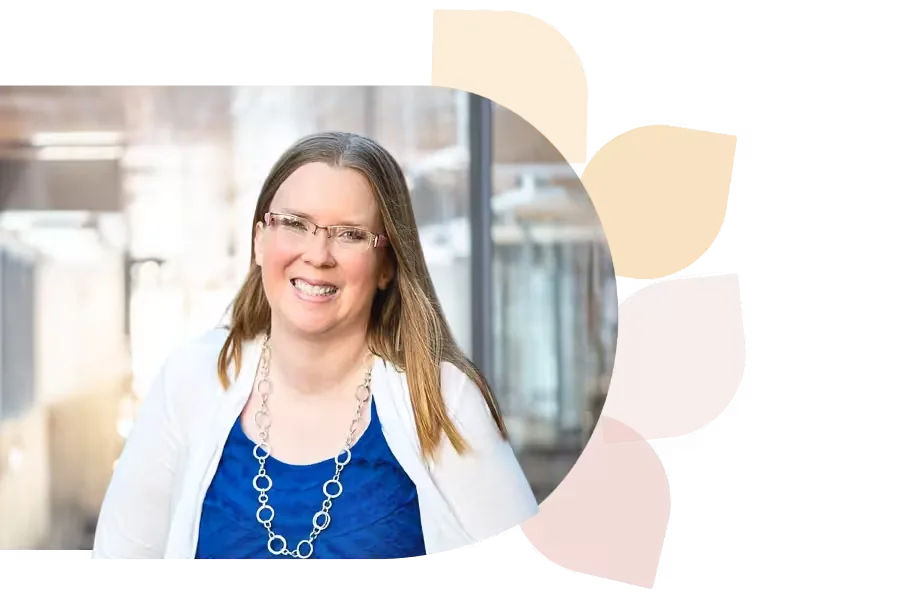
Melissa Mann
Melissa Mann, a fourth-grade teacher in the Madison County School System, has experience in general and collaborative education settings. With a Master’s in School Counseling, she has presented at various conferences, both in-person and virtual, for the past 15 years.
Specializes In: Special Education
“The short training videos are perfect to complete during lunch or planning periods. It’s also great to be able to access videos at home or on weekends. I love the fact that there are courses on important current tech topics that we all need right now!”

“Since adopting SimpleK12, we’ve seen an increase in professional development participation. Teachers are more engaged because the content is practical, flexible, and relevant.”
“SimpleK12 makes professional learning actually work with my schedule. I can log in anytime, choose a topic that’s relevant to my classroom, and walk away with strategies I can use the next day.”
“SimpleK12 offers a broad range of training, a variety of presentation styles, generous resources, and concise, professionally delivered lessons. It’s extremely useful!”
Built for District Success
Pathways make it simple to guide teacher growth in a targeted area. Choose a ready-made pathway for a cohort or collaborate with us on a custom pathway tied to your district initiatives. Monitor progress through a dashboard to track achievements.
Talk to an expertSupport Every Learner. Build Inclusive Confidence.
This pathway helps educators strengthen the knowledge and day‑to‑day strategies that make inclusion work: understanding key SPED laws and terminology, implementing classroom accommodations and interventions, and collaborating with families and IEP teams. Learn through video-based instruction, real classroom examples, and reflection that turns uncertainty into confident action.
Get started free